Fluoride Treatments & Dental Sealants in Claremont, CA
Last updated:
Looking for cavity prevention near Claremont? Renov Dental Group, on N Indian Hill Blvd just north of the Claremont Village, offers fluoride treatments and dental sealants for children, teens and adults. Care is led by UCLA-trained Dr. Sally Yi, DDS, the office accepts most major PPO plans, and it's known for genuinely gentle care for anxious patients. Fluoride and sealants are simple, non-invasive steps that can help your family avoid more complex treatment later.
What Are Fluoride Treatments & Dental Sealants?
Fluoride is a naturally occurring mineral that strengthens tooth enamel and supports resistance against cavities; a professional treatment applies a concentrated dose directly to the teeth. Dental sealants are thin coatings applied to the chewing surfaces of molars and premolars, shielding the deep grooves where food and bacteria accumulate.
According to the ADA and CDC, sealants are effective at preventing and arresting early decay on the chewing surfaces of back teeth — where most cavities in permanent teeth occur — and sealed molars generally stay better protected for several years. These are general findings, not a guarantee; results depend on hygiene, diet and ongoing care.
Am I a Candidate?
- Good candidates: children and teens with newly erupted permanent molars, patients of any age with deep grooves that are hard to keep clean, and those with frequent cavities or dry mouth.
- Less necessary: patients with very low cavity risk and strong oral hygiene.
- Not a fix for existing decay: sealants go over sound, healthy grooves — they don't replace a filling on a decayed tooth.
A dental exam is the best way to determine whether fluoride, sealants, or both make sense.
Fluoride & Sealant Options at Our Office
- Fluoride Varnish or Gel — a concentrated fluoride application painted or trayed onto the teeth in one short visit.
- Dental Sealants — a liquid resin flowed into the grooves of molars and premolars, then hardened into a smooth coating.
- Combined Preventive Visits — fluoride and sealants scheduled alongside a cleaning.
What to Expect, Step by Step
- 1.
A dental exam
to determine whether fluoride, sealants, or both may help.
- 2.
Professional cleaning
to prepare the teeth.
- 3.
Fluoride application
— a gel, foam or varnish applied directly to the teeth.
- 4.
Sealant placement
on designated surfaces, then hardened when appropriate.
- 5.
A quick check
to confirm placement and fit.
After Your Visit
Fluoride and sealant placement are quick, comfortable and non-invasive, with no downtime. Most patients return to eating and drinking normally shortly after the appointment (your dentist will note any brief waiting period).
Risks & Limitations
Fluoride and sealants are safe, well-established preventive treatments, but they have limits:
- Sealants can wear or chip over time and are checked at cleanings, with repair or reapplication as needed.
- Fluorosis is cosmetic, not a treatment risk. Faint white marks can occur when young children get too much combined fluoride (water, swallowed toothpaste, supplements) before about age 8, while adult teeth are forming. It's not a health risk, and a single professional treatment is dosed appropriately.
- Material safety. Sealants may release trace, very low BPA levels briefly after placement; the ADA reviewed the evidence, found no health concern, and continues to recommend them as safe.
- Prevention, not a substitute. Fluoride and sealants support — but don't replace — brushing, flossing and checkups, and can't treat an existing cavity.
Making Prevention Last
Sealants can protect teeth for several years when monitored at regular cleanings. Keep brushing twice daily with fluoride toothpaste and keep six-month checkups so we can watch for wear.
Alternatives to Consider
- Consistent brushing and flossing with fluoride toothpaste remains the foundation of cavity prevention.
- Reducing frequent sugary or acidic foods and drinks lowers cavity risk over time.
- At-home fluoride toothpaste or rinse offers lower-intervention protection for those who prefer to skip in-office varnish.
- Regular professional cleanings (see Teeth Cleaning) help catch early decay sooner.
Timeline & Cost Factors
ADA and CDC guidance generally supports sealing permanent first molars around age 6 and second molars around age 12, soon after they erupt. For patients at elevated cavity risk, fluoride varnish is often recommended every three to six months; lower-risk patients need it less often.
Cost depends on the number of teeth treated, whether fluoride or sealants (or both) are recommended, and whether the visit is combined with a cleaning. Many PPO plans cover fluoride and sealants preventively, particularly for children, though adult coverage varies, and we verify your benefits before treatment.
Treatments That Pair Well With Fluoride & Sealants
- Teeth Cleaning — fluoride and sealants are commonly scheduled at a cleaning visit.
- Family Dentistry — preventive care tailored to every age in the household.
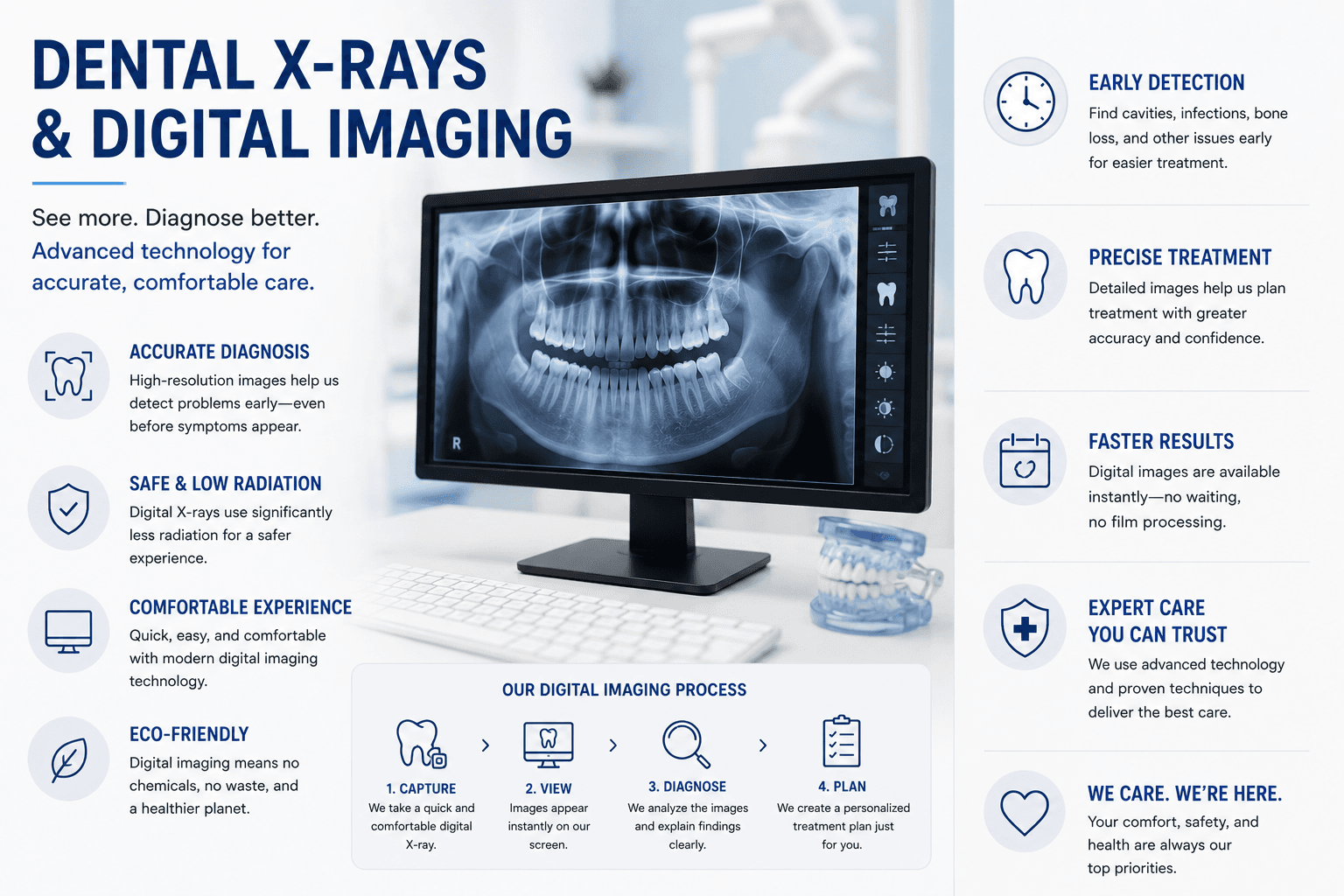
- Dental X-Rays & Digital Imaging — helps confirm which teeth are at highest cavity risk.
Why Claremont-Area Patients Choose Renov Dental Group
- A gentle, patient-first approach for people who feel nervous about dental visits
- Care led by Dr. Sally Yi, DDS — a UCLA-trained dentist who received the Dean's Scholarship and was named Resident of the Year during her hospital residency
- A conservative philosophy: preserving natural teeth and recommending only what's needed
- Most major PPO plans accepted, with monthly financing through Cherry
- A convenient office on N Indian Hill Blvd, close to the I-10 and 210 freeways
FAQ
Q. Who should receive fluoride treatments?+
A. Fluoride may be recommended for children, teens and adults, depending on cavity risk and individual oral health needs.
Q. At what age do kids typically get sealants?+
A. Per ADA and CDC guidance, sealants are commonly placed on permanent first molars around age 6 and second molars around age 12, soon after each set erupts. Timing is individualized to your child's cavity risk.
Q. Is fluoride safe for children?+
A. Yes — professionally applied fluoride is considered safe and effective by the ADA and CDC. Fluorosis (faint cosmetic white marks) relates to total fluoride exposure from many sources during tooth development, not to a single professional treatment.
Q. How long do sealants last?+
A. Longevity varies, but sealants can protect teeth for several years when maintained and monitored at regular checkups.
Q. Can adults benefit from sealants?+
A. In certain situations adults may also benefit, depending on their oral health and cavity risk — best discussed at your visit.
Q. Do sealants replace the need for good brushing?+
A. No. Sealants and fluoride add protection but don't replace daily brushing, flossing and regular checkups.
Q. Does my dental insurance cover fluoride and sealants?+
A. Preventive fluoride and sealants are often covered, especially for children, though coverage varies by plan. We accept most major PPO plans and verify your benefits before treatment. Patients without insurance are welcome, and Cherry monthly financing is available.
Schedule a Consultation
Call (909) 625-4900 or book an appointment online to ask whether fluoride or sealants are right for your family.